Moringa Powder Benefits: Science-Backed Health Benefits (2026)
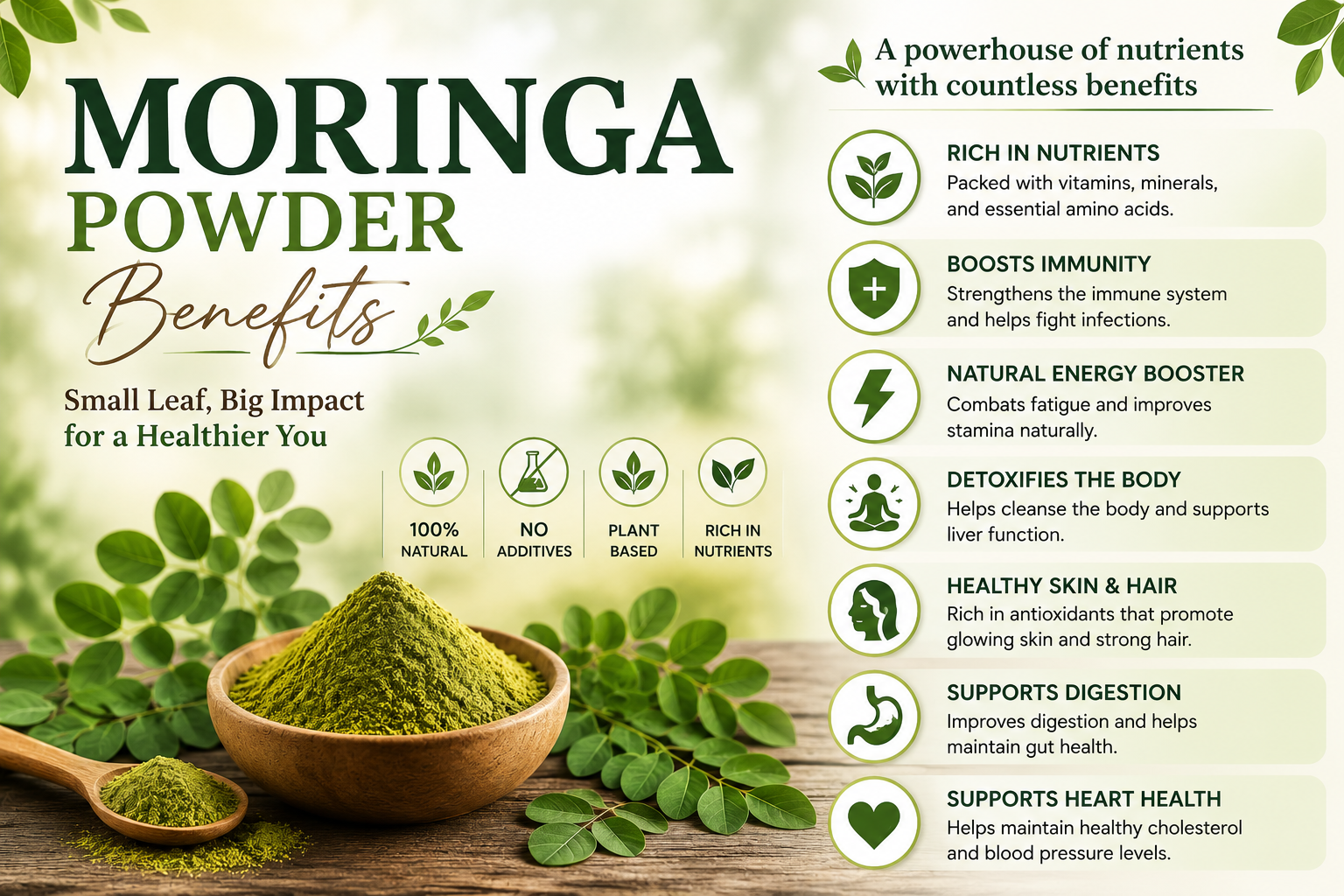
Moringa powder is a nutrient-dense whole food made from the dried leaves of Moringa oleifera. [1][2] Current research suggests it may support overall nutrition, antioxidant defence, healthy blood sugar regulation, iron status, and inflammatory balance. However, while several benefits are supported by human studies, many popular claims still require stronger clinical evidence.
Moringa powder has become one of the most talked-about superfoods in recent years. From social media influencers to health blogs, it is often promoted as a natural solution for everything from low energy and weak immunity to diabetes, weight loss, and glowing skin.
But how much of this is actually supported by science?
The answer is more nuanced than many articles suggest.
Moringa (Moringa oleifera) is unquestionably one of the world's most nutrient-rich edible plants. Its leaves naturally contain dietary fibre, plant protein, iron, calcium, potassium, beta-carotene, vitamin E, and a diverse range of antioxidant phytochemicals. Because of this impressive nutritional profile, researchers have spent the last two decades investigating its potential role in supporting human health.
Some findings are genuinely encouraging.
Human clinical studies suggest moringa supplementation may help improve haemoglobin levels in nutritionally vulnerable populations, support healthy blood glucose management in certain adults with metabolic disorders, and contribute to breast milk production in some breastfeeding women. Laboratory studies have also demonstrated strong antioxidant and anti-inflammatory activity, although many of these findings still require confirmation through larger human trials.
At the same time, the internet is full of exaggerated claims.
Statements such as "moringa cures diabetes," "melts belly fat," "detoxifies the body," or "prevents cancer" are not supported by current high-quality clinical evidence. These claims often originate from laboratory experiments, animal research, or marketing material rather than well-designed human studies.
This distinction matters.
A laboratory study showing that a compound affects isolated cells does not automatically mean the same effect occurs in the human body. Likewise, promising animal research should be viewed as an early step in the scientific process rather than proof of clinical effectiveness.
That's why this guide takes a different approach.
Instead of repeating popular health claims, we'll examine what current scientific evidence actually shows, identify where research is strongest, explain where uncertainty still exists, and provide practical guidance on using moringa powder safely as part of a balanced diet.
Whether you're considering moringa to improve your nutritional intake, support general wellness, or simply understand why it has become so popular, this article will help you separate evidence from marketing and make informed decisions based on the best research available today.
What is moringa powder?
Moringa powder is made by drying and finely grinding the leaves of Moringa oleifera, a fast-growing tree native to the Indian subcontinent and now cultivated across Asia, Africa, and parts of Central and South America. The leaves have been consumed as food for centuries and are commonly used in traditional cuisines, particularly in India, where fresh moringa leaves are added to dals, curries, soups, and vegetable dishes.
To produce moringa powder, freshly harvested leaves are washed, gently dried, and milled into a fine green powder. Drying is an important step because excessive heat can reduce heat-sensitive nutrients such as vitamin C and affect the concentration of certain antioxidant compounds. Manufacturers that use carefully controlled drying methods generally preserve more of the leaf's natural nutritional value than those using high-temperature processing.
Unlike concentrated herbal extracts, moringa powder is a whole-food ingredient. This means it contains the leaf's naturally occurring combination of nutrients, dietary fibre, plant protein, vitamins, minerals, carotenoids, flavonoids, and polyphenols rather than isolated compounds.
From a nutritional perspective, moringa powder provides:
Plant protein
Dietary fibre
Iron
Calcium
Potassium
Magnesium
Beta-carotene (provitamin A)
Vitamin E
Naturally occurring polyphenols and flavonoids
The exact nutritional composition varies depending on factors such as growing conditions, harvest maturity, drying technique, storage, and product quality. [1][4]
Traditional Use vs Modern Research
Moringa has a long history of use in traditional systems of medicine, including Ayurveda, where it is known as Shigru. Traditionally, different parts of the plant have been used to support digestion, general vitality, and overall wellness.
Modern scientific research evaluates moringa differently. Instead of relying on traditional knowledge alone, researchers study its nutritional composition, biological activity, safety, and clinical effects through laboratory experiments, observational research, and human clinical trials.
This distinction is important.
Traditional use can provide valuable historical insight, but it does not automatically confirm clinical effectiveness. Likewise, promising laboratory findings do not always translate into meaningful health benefits in humans.
Current evidence supports moringa primarily as a nutrient-dense whole food. Research into its potential effects on blood sugar regulation, inflammation, antioxidant status, and other health outcomes is ongoing, with some findings showing promise while others require larger, better-designed human studies before firm conclusions can be drawn.
Throughout this guide, we'll clearly distinguish between well-established nutritional facts, emerging scientific evidence, and traditional uses so you can make informed decisions based on the strength of the available research.
Why is moringa considered a superfood?
The term "superfood" has no official scientific or regulatory definition. [1] Instead, it is commonly used to describe foods that provide a high concentration of nutrients and beneficial plant compounds relative to their serving size.
Moringa is often described as a superfood because its leaves naturally contain a wide range of vitamins, minerals, dietary fibre, plant protein, and antioxidant phytochemicals in a minimally processed whole-food form.
Unlike many supplements that focus on a single nutrient, moringa provides a diverse nutritional profile that includes:
Iron
Calcium
Potassium
Magnesium
Beta-carotene (provitamin A)
Vitamin E
Dietary fibre
Plant protein
Polyphenols
Flavonoids
This broad nutritional composition has made moringa the subject of increasing scientific research in nutrition, food science, and public health.
Why Nutrient Density Matters
Nutrient density refers to the amount of beneficial nutrients a food provides relative to its calories.
Foods that are rich in vitamins, minerals, fibre, and beneficial phytochemicals while remaining relatively low in calories are generally considered nutrient-dense.
Moringa fits this description well.
For people whose diets contain few vegetables or who are looking to increase their intake of plant-based nutrients, moringa powder can be a convenient way to improve overall dietary quality.
However, nutrient density alone does not make a food a miracle ingredient.
Health outcomes depend on many factors, including overall diet, physical activity, sleep, genetics, medical conditions, and lifestyle habits.
Understanding Popular Nutrient Comparisons
You may have seen claims such as:
"More calcium than milk."
"More vitamin C than oranges."
"More iron than spinach."
These comparisons are generally based on equal weights of dried moringa leaf powder versus fresh foods.
While technically true under specific conditions, they can be misleading because people typically consume much larger portions of fresh fruits and vegetables than moringa powder.
In addition, nutrient content varies depending on:
Growing conditions
Harvest maturity
Drying method
Storage
Product quality
For this reason, it is more accurate to view moringa as a concentrated source of several important nutrients, rather than comparing it directly with individual foods. [1][2]
Why Researchers Continue Studying Moringa
Scientists are interested in moringa for two main reasons.
First, its impressive nutritional profile makes it valuable from a public health perspective, particularly in populations where nutrient deficiencies remain common.
Second, moringa naturally contains bioactive plant compounds such as quercetin, chlorogenic acid, kaempferol, and other polyphenols that are being investigated for their antioxidant and anti-inflammatory properties. [2][4]
Laboratory and animal studies have produced encouraging findings, while human clinical research continues to grow. However, findings from laboratory experiments do not automatically establish benefits in people, and the strength of clinical evidence varies considerably. [3][4]
For this reason, moringa is best described as a nutrient-dense functional food rather than a miracle cure.
Its greatest strength lies in supporting overall dietary quality as part of a balanced eating pattern, not in replacing medical treatment or healthy lifestyle habits.
Moringa Powder Nutritional Profile: What Makes It So Nutritious?
Moringa leaves contain a variety of nutrients and bioactive plant compounds. These include plant protein, dietary fibre, minerals, carotenoids, vitamins, and polyphenols. The amounts present in a serving depend on the variety of moringa, growing conditions, harvesting practices, processing methods, and storage. [1][2]
Because dried leaf powder contains less water than fresh leaves, some nutrients may appear more concentrated when the foods are compared by equal weight. This does not mean that every nutrient is preserved equally during drying or that a typical serving of powder supplies the same amount as a much larger serving of fresh vegetables.
For accurate nutritional information, check the product's nutrition label and, where available, a reliable food-composition database or laboratory analysis for the specific product.
Key Nutrients Found in Moringa Powder
The following nutrients are commonly reported in moringa leaves. Their actual amounts in a commercial powder can vary, so the list should not be interpreted as a guarantee of the quantity supplied by every product. [1][2]
Plant protein: Contributes amino acids needed for normal growth, maintenance, and repair of body tissues.
Dietary fibre: Supports normal digestive function and contributes to a balanced dietary pattern.
Iron: Is required for haemoglobin production and normal oxygen transport. Iron in plant foods is non-haem iron, which is generally absorbed less efficiently than haem iron from animal foods.
Calcium: Is important for bones, teeth, muscle function, and normal nerve signalling.
Potassium: Helps support normal muscle function, nerve signalling, and fluid balance.
Magnesium: Contributes to normal muscle and nerve function and participates in many enzyme reactions.
Beta-carotene: Is a provitamin A carotenoid that the body can convert into vitamin A, which supports normal vision and immune function.
Vitamin E: Acts as an antioxidant and helps protect cells from oxidative damage.
Polyphenols and flavonoids: Are plant compounds being studied for their biological activity, including antioxidant effects.
These nutrients have established roles in normal human physiology. However, the presence of a nutrient in moringa does not by itself prove that eating moringa powder will prevent or treat a disease. [1][4]
How Moringa Powder Fits into a Balanced Diet
Moringa powder can be added to smoothies, porridge, soups, dals, sauces, or other meals. Its strong green flavour may be more noticeable when used in larger quantities, so many people prefer to mix a small amount into foods they already enjoy.
Want to include moringa in familiar home-cooked meals? Try our collection of moringa powder recipes for Indian food.
It is best treated as one ingredient within a varied diet that includes vegetables, fruits, legumes, whole grains, nuts, seeds, and suitable protein sources. It should not be relied on as the sole source of vitamins or minerals.
People who have been diagnosed with a nutritional deficiency should seek advice from a qualified healthcare professional. Moringa powder should not be used as a substitute for a prescribed supplement or treatment.
What Does the Scientific Evidence Actually Show?
Research on moringa includes laboratory experiments, animal studies, traditional-use reports, and human clinical trials. These types of evidence answer different questions and should not be treated as interchangeable.
Laboratory studies investigate how compounds behave in cells or experimental systems.
Animal studies explore biological effects in living organisms but cannot establish that the same effects will occur in humans.
Human clinical studies investigate effects in people, but their reliability depends on factors such as sample size, study design, duration, and risk of bias.
Systematic reviews and meta-analyses combine results from multiple studies. Their conclusions still depend on the quality and consistency of the underlying research.
A 2025 meta-analysis of nine randomized controlled trials involving 649 participants found no consistent benefits of moringa supplementation across the cardiometabolic outcomes it assessed. The authors rated the overall certainty of evidence as very low, meaning that further high-quality research could change the conclusions. [3]
This does not mean moringa lacks nutritional value. It means that its nutritional composition and its potential to treat or improve particular medical outcomes are separate questions.
Understanding the Difference Between Nutritional Value and Medical Benefits
A food can supply useful nutrients without being a proven treatment for a particular condition. For example, iron is necessary for normal haemoglobin production, but consuming an iron-containing food does not guarantee that a person with iron-deficiency anaemia will receive enough absorbable iron to correct the deficiency.
Likewise, the antioxidant activity of a plant compound in a laboratory experiment does not prove that consuming the whole plant prevents a chronic disease.
When considering moringa, it is therefore useful to ask two separate questions:
What nutrients and plant compounds does the food contain?
Do well-designed human studies show that consuming it produces a meaningful health benefit?
The first question can be addressed through nutritional analysis. The second requires appropriate clinical evidence. Keeping these questions separate helps avoid exaggerated health claims. [3][4]
Health Benefits of Moringa Powder
Moringa powder is widely studied for its nutritional composition and potential biological effects. Its leaves contain vitamins, minerals, dietary fibre, and bioactive plant compounds, including polyphenols and flavonoids. [1][3][4]
However, the strength of evidence varies considerably. Some findings relate to nutritional composition or laboratory experiments, while others come from human clinical studies. Understanding this distinction helps separate evidence-based information from exaggerated marketing claims.
The sections below summarize the potential benefits and explain where further research is needed.
1. Supports Overall Nutrition
One of moringa powder's greatest strengths is its nutritional density. Moringa leaves contain dietary fibre, plant protein, minerals, carotenoids, and a range of antioxidant phytochemicals. The exact nutritional composition varies with growing conditions, processing, storage, and the product itself. [1][3]
What Research Shows
Unlike many supplements that deliver only one or two isolated nutrients, moringa contributes a broad range of naturally occurring nutrients and plant compounds in a whole-food form. Reviews of moringa research describe its nutritional composition and its potential role as a food ingredient. [1][4]
This makes moringa powder a possible addition to a varied diet, particularly for people who want to increase their intake of plant-based foods. However, the term "nutrient-dense" does not mean that moringa is nutritionally superior to every other food or that it prevents nutrient deficiencies in every person.
Practical Takeaway
Think of moringa as a nutrient-rich food rather than a medicine. Its most defensible benefit is contributing nutrients and plant compounds to an overall balanced diet.
Does Moringa Powder Help Improve Daily Energy?
Moringa powder is not a stimulant like caffeine. Its nutritional value comes from nutrients such as iron, magnesium, and plant protein, which have normal physiological roles in the body. [1]
People sometimes search for moringa powder for energy because they experience fatigue and are looking for a natural alternative to stimulants. However, fatigue can have many causes, including inadequate sleep, dietary deficiencies, stress, and medical conditions.
Whole-leaf moringa may contribute nutrients to the diet, but there is insufficient clinical evidence to describe it as a proven treatment for fatigue or an instant energy booster. [4][5]
People experiencing persistent or unexplained fatigue should consult a qualified healthcare professional rather than relying on moringa alone.
Key Takeaway: Moringa powder can contribute to overall nutritional intake, but it should not be promoted as a proven treatment for low energy or persistent fatigue.
2. Rich in Natural Antioxidants
Moringa leaves contain naturally occurring plant compounds, including polyphenols and flavonoids, that have demonstrated antioxidant activity in laboratory research. [3][4]
Why Researchers Study This
Oxidative stress occurs when the balance between reactive molecules and the body's antioxidant defence systems is disrupted. Researchers study plant compounds to understand whether they influence oxidative processes and related biological pathways.
Compounds reported in moringa leaves include:
Quercetin
Kaempferol
Chlorogenic acid
Carotenoids
Other polyphenols
Research reviews describe antioxidant activity associated with moringa leaf compounds, particularly in laboratory and preclinical studies. [3][4]
What Human Studies Show
Human research into the effects of moringa supplementation remains limited. Evidence that a compound has antioxidant activity in a laboratory does not automatically prove that eating moringa prevents chronic disease or produces a clinically meaningful benefit in people. [4][5]
Practical Takeaway
Moringa can be described as a food containing antioxidant phytochemicals. Claims that it prevents disease because of these compounds require stronger evidence from well-designed human studies.
Moringa Powder Benefits for Skin
Moringa leaves contain nutrients and plant compounds, including beta-carotene, vitamin E, and polyphenols, that are relevant to normal nutrition and are being studied for their biological activity. [1][3]
Healthy skin depends on many factors, including overall nutrition, hydration, sleep, genetics, and sun protection. Eating a varied diet that supplies essential nutrients helps support normal body functions, including skin maintenance.
Moringa leaves contain compounds such as:
Beta-carotene
Vitamin E
Polyphenols
Flavonoids
Researchers continue to investigate the biological effects of these compounds. However, evidence that moringa leaf powder directly improves skin appearance or treats skin disorders in humans is insufficient to support strong treatment claims. [3][4]
Practical Takeaway
Moringa is best viewed as a nutrient-containing food, not as a proven cosmetic treatment for acne, eczema, or other skin conditions.
Key Takeaway: Moringa can contribute nutrients to a balanced diet, but it should not be promoted as a treatment for skin diseases.
3. May Support Healthy Blood Sugar Regulation
Researchers have investigated whether moringa supplementation affects blood glucose and other cardiometabolic measures. Some small human studies have reported potential benefits, but the results are not consistent enough to establish moringa as an effective treatment for elevated blood sugar. [4][5]
What Research Shows
Compounds found in moringa, including chlorogenic acid and other phytochemicals, are being investigated for their possible effects on glucose metabolism. Laboratory findings provide research leads, but they do not by themselves demonstrate a clinical benefit in people. [3][4]
A 2025 meta-analysis of nine randomized controlled trials examined moringa supplementation and cardiometabolic outcomes. It found no consistent benefits across the outcomes assessed, and the certainty of evidence was rated very low. [5]
Study results can vary because of differences in participant characteristics, preparations, doses, study duration, and research quality. Larger, well-designed clinical trials are needed before firm conclusions can be drawn.
Practical Takeaway
Moringa should not be described as a proven blood sugar treatment. People with diabetes or elevated blood glucose should continue their prescribed care and consult their healthcare professional before using moringa supplements, particularly if they take glucose-lowering medication.
4. Supports Iron Intake and Healthy Haemoglobin
Moringa leaves contain iron, a mineral required for haemoglobin production and normal oxygen transport. The amount of iron in a serving of moringa powder varies by product, and iron from plant foods is non-haem iron, which is generally less readily absorbed than haem iron from animal foods. [1]
What Research Shows
Researchers have studied moringa supplementation in nutritionally vulnerable populations, including women, and some studies have reported changes in haemoglobin or iron-related measures. However, findings from particular populations cannot automatically be generalized to everyone, and the available research does not establish moringa powder as a replacement for standard treatment of iron-deficiency anaemia. [4]
Eating plant sources of iron alongside vitamin C-rich foods can improve the absorption of non-haem iron from a meal. Individual iron status, the amount consumed, and the overall diet also influence iron intake and absorption.
Practical Takeaway
Moringa may contribute to dietary iron intake, but it should not replace prescribed iron supplements or medical assessment when iron deficiency or anaemia has been diagnosed.
5. May Support a Healthy Inflammatory Response
Moringa leaves contain bioactive compounds, including polyphenols and flavonoids, that researchers have investigated for their potential effects on inflammatory pathways. Laboratory and preclinical studies have reported anti-inflammatory activity, but these findings do not establish that consuming moringa powder treats inflammatory diseases in humans. [3][4]
What Research Shows
Inflammation is part of the body's normal response to injury and infection. Persistent or excessive inflammation is associated with a range of health conditions, which is why researchers investigate the effects of dietary compounds on inflammatory processes.
Reviews of moringa research describe promising biological activity in experimental studies. However, the quality of clinical evidence varies, and more well-designed human research is needed to determine whether moringa supplementation produces meaningful health benefits. [4]
Practical Takeaway
Moringa can contribute plant compounds to a balanced diet, but it should not be promoted as a proven treatment for arthritis, autoimmune disorders, or other inflammatory diseases.
6. May Support Breastfeeding and Breast Milk Production
Moringa leaves have traditionally been used in some communities by breastfeeding women. Researchers have investigated whether moringa supplementation influences breast milk production, but the strength and consistency of the clinical evidence remain important considerations. [6][7]
What Research Shows
A systematic review published in 2025 examined studies of moringa supplementation as a potential galactagogue, a substance used with the aim of increasing breast milk production. The review assessed findings related to milk volume and prolactin levels, while also highlighting the need to interpret the evidence in light of study limitations. [6]
The US National Library of Medicine's LactMed database also reviews information about moringa use during lactation. Evidence concerning effectiveness and safety should be considered carefully, particularly because supplement preparations and study methods can differ. [7]
Breast milk production can be affected by feeding frequency, infant latch, maternal health, medications, and other factors. Moringa should not replace a proper feeding assessment or professional breastfeeding support.
Practical Takeaway
Although early research into moringa and lactation is of interest, it should not be described as a guaranteed way to increase milk supply. Breastfeeding women should consult a qualified healthcare professional before starting a moringa supplement, especially if they have medical conditions or take medication.
7. May Contribute to Digestive Health
Moringa leaf powder contains dietary fibre, which contributes to normal digestive function as part of a balanced diet. Its fibre content varies according to the product and serving size. [1][2]
How Fibre Supports Digestion
Dietary fibre is an important component of a healthy eating pattern. Depending on the type of fibre and the overall diet, it can help support regular bowel movements and normal digestive function.
However, the presence of fibre in moringa does not establish that moringa powder treats constipation, bloating, or digestive disorders. Direct clinical evidence for these specific uses remains limited.
Practical Takeaway
Moringa powder may contribute to daily fibre intake, but it should be combined with adequate fluids and a varied diet containing other fibre-rich foods, such as vegetables, fruits, legumes, and whole grains.
8. May Support General Immune Function Through Nutrition
Moringa leaves contain nutrients and plant compounds that are relevant to normal nutrition, including beta-carotene and other phytochemicals. Nutrients such as vitamin A, vitamin E, and iron have established roles in normal immune function when consumed in adequate amounts. [1][2]
What This Means
A varied diet that provides sufficient energy, protein, vitamins, and minerals helps maintain normal body functions, including the immune system. Moringa can be one of many plant foods included in such a diet.
However, the nutritional composition of moringa does not prove that it boosts immunity beyond normal function, prevents infections, or treats immune-related conditions. Claims of these kinds require direct and reliable clinical evidence. [4]
Practical Takeaway
Moringa is best viewed as a nutrient-containing food that can complement a balanced diet, rather than as an immune stimulant or a substitute for vaccination, appropriate medical care, or other evidence-based preventive measures.
9. May Contribute to Overall Dietary Quality
One of the most practical reasons to use moringa powder is that it can be added to everyday meals in small amounts. It contains a combination of plant nutrients and bioactive compounds, although the exact amounts depend on the product. [1][2]
For people who enjoy its flavour, moringa powder can be mixed into foods such as:
Smoothies
Oats or porridge
Soups
Dal and vegetable dishes
Sauces and chutneys
Yogurt or other suitable foods
Its value depends on how it fits into the person's overall eating pattern. It should complement, rather than replace, a variety of vegetables, fruits, legumes, whole grains, and other nutrient-rich foods.
Practical Takeaway
Moringa powder can be a convenient way to add a leafy green ingredient to meals. Its most reliable role is as part of a varied diet, not as a shortcut to specific medical outcomes.
10. Potential Benefits Require Further Research
Researchers continue to investigate moringa's possible effects on metabolic health, inflammatory pathways, antioxidant biomarkers, and other outcomes. Reviews of the literature emphasize that the available evidence includes different types of studies and that many potential benefits still require stronger confirmation in humans. [3][4]
When evaluating a claim about moringa, consider whether it is supported by a well-designed human clinical trial, whether the study used whole-leaf powder or a different preparation, how many people participated, and whether the results have been independently replicated.
For example, findings about moringa seeds or seed oil should not automatically be applied to moringa leaf powder, because different parts of the plant have different compositions. [8]
Until stronger evidence is available, it is more accurate to describe many proposed health effects as areas of ongoing research rather than established benefits.
Evidence Summary
Moringa leaf powder offers a range of nutrients and naturally occurring plant compounds that make it a useful addition to a balanced diet. Research has investigated its potential effects on blood sugar regulation, antioxidant activity, inflammation, haemoglobin levels, and breast milk production. However, the strength of evidence varies considerably across these outcomes. [1][3][4]
The most dependable reason to include moringa powder in your diet is its nutritional composition. Some potential health benefits are promising, but current evidence does not establish moringa as a treatment for any disease.
Why Moringa Leaf Powder Matters More Than Other Parts of the Plant
Moringa oleifera is a versatile plant. Its leaves, seeds, flowers, pods, and roots have different traditional uses and chemical compositions. However, these parts should not be treated as interchangeable, particularly when discussing nutritional benefits and supplement safety.
Moringa leaf powder is produced by drying and grinding the leaves. It is commonly used as a food ingredient because it contains plant protein, dietary fibre, minerals, carotenoids, and various polyphenols. [1][3]
Why Researchers Focus on the Leaves
Moringa leaves attract considerable research interest because of their nutritional value and diverse bioactive compounds. Researchers have investigated these compounds for their antioxidant activity and possible roles in supporting normal physiological functions.
However, laboratory evidence showing that a compound has biological activity does not automatically demonstrate a meaningful health benefit in people. Clinical studies are needed to establish whether consuming moringa leaf powder produces reliable benefits, at what dose, and for whom. [3][4]
What About the Other Parts?
Moringa seeds and seed oil have different nutritional and chemical characteristics from the leaves. Seeds and oil have been investigated for food, agricultural, and other applications, but findings about them should not be used as direct evidence for the health effects of moringa leaf powder. [2]
The same principle applies to roots, bark, flowers, and extracts. Evidence relating to one plant part or preparation cannot automatically be applied to another. Products made from different parts of the plant may also have different safety considerations.
Whole-Leaf Powder vs Extracts
Whole-leaf moringa powder contains a mixture of naturally occurring nutrients and plant compounds. Extracts, by contrast, are produced using processing methods intended to concentrate selected compounds or groups of compounds.
This difference matters when interpreting research. A study using a concentrated extract may not accurately predict the effects of an ordinary serving of leaf powder. Similarly, the amount used in a clinical trial may differ substantially from the amount a person adds to a smoothie or meal.
When evaluating a moringa product, check which plant part it contains, whether it is a whole-leaf powder or an extract, and whether the label clearly identifies the ingredients and serving size.
Why Quality Still Matters
The nutritional quality of moringa powder can vary with growing conditions, harvesting, drying, processing, storage, and handling. Contamination and poor manufacturing practices can also affect product safety.
When choosing moringa powder, look for:
A clearly identified ingredient, preferably 100% moringa leaf powder if that is what you want.
A complete ingredient list and clearly stated serving size.
Reliable manufacturing and quality-control practices.
Appropriate testing for microbial contamination and heavy metals, where available.
Packaging that protects the powder from moisture, heat, and direct sunlight.
A clear expiry or best-before date and suitable storage instructions.
Be cautious of products that promise dramatic weight loss, guaranteed blood sugar control, detoxification, or cures for chronic diseases. Such claims go beyond what current clinical evidence establishes.
Practical Takeaway
Choose moringa powder for its nutritional value, not because of exaggerated promises. A transparent product from a reliable manufacturer, used as part of a varied diet, is a more sensible choice than an expensive supplement marketed as a miracle solution.
Moringa Powder vs Other Green Superfoods
Moringa powder is often compared with other green powders, including spirulina, wheatgrass, matcha, barley grass, and chlorella. Although these products are all associated with plant-based nutrition, they differ in their ingredients, nutrient profiles, processing methods, and evidence base.
No single green powder is automatically the best choice for everyone. The right option depends on your nutritional goals, dietary preferences, tolerance, budget, and the quality of the product.
Quick Comparison
Moringa powder: Made from dried leaves of Moringa oleifera. It provides plant-based nutrients, including fibre, minerals, carotenoids, and polyphenols.
Spirulina: A type of cyanobacterium commonly sold as a nutrient-rich powder or tablet. Its composition differs from that of leafy plants.
Wheatgrass powder: Made from young wheat plants and used as a concentrated green-food ingredient.
Matcha: Finely ground green tea leaves. It contains tea polyphenols and naturally occurring caffeine.
Barley grass: Made from the young leaves of barley and used as a green-food powder.
Chlorella: A type of freshwater green microalga sold as a powder or tablet.
Moringa vs Spirulina
Moringa and spirulina are both popular choices for people looking to add nutrient-rich ingredients to their diets. However, they come from different biological sources and have different nutritional profiles.
Moringa is a leafy plant powder that provides fibre and naturally occurring plant compounds. Spirulina is a cyanobacterium known for its protein content and other nutrients. Their nutritional values vary by product and serving size, so comparisons should use reliable composition data rather than broad marketing claims.
Neither product should be treated as a complete replacement for a varied diet or as a proven treatment for a medical condition.
Moringa vs Wheatgrass
Moringa powder is made from the leaves of a tree, whereas wheatgrass powder comes from young wheat plants. Both are used to increase the variety of plant-derived nutrients in the diet.
Their nutrient content depends on how they are grown and processed. Rather than assuming one is universally superior, compare ingredient lists, serving sizes, product quality, and the nutrients most relevant to your dietary needs.
Moringa vs Matcha
Moringa and matcha differ in both their composition and typical use. Moringa is often added to meals or smoothies as a leafy green powder. Matcha is made from green tea leaves and naturally contains caffeine, which can increase alertness but may not suit everyone.
If you want a green powder without the caffeine naturally present in tea, moringa may be an option to consider. However, product ingredients and possible cross-contamination should still be checked, and individual tolerance can vary.
Moringa vs Barley Grass and Chlorella
Barley grass is a young cereal-grass powder, while chlorella is a freshwater microalga. Both differ from moringa in their source, composition, and processing requirements.
Product quality is important for all three. Choose suppliers with transparent ingredient information and appropriate quality controls rather than relying solely on claims about detoxification, immunity, or disease prevention.
Which One Should You Choose?
If your goal is to increase your intake of plant-based nutrients, moringa powder can be one useful option. If you prefer a protein-rich supplement, a caffeine-containing green tea powder, or an algae-based product, another choice may better suit your needs.
Compare products based on their actual nutritional information, ingredients, quality, and suitability for your diet. Remember that green powders are optional additions, not substitutes for eating a varied range of vegetables, fruits, legumes, whole grains, nuts, and seeds.
Practical Takeaway
Moringa, spirulina, wheatgrass, matcha, barley grass, and chlorella are not identical products. Select the one that fits your needs, and avoid assuming that a product's popularity or “superfood” label proves a specific health benefit.
Who Can Benefit from Moringa Powder?
Moringa leaf powder may be a useful addition to the diet of adults who want to increase their intake of plant-based nutrients. Its nutritional composition makes it worth considering as part of a balanced eating pattern, particularly when used alongside a varied diet rather than as a replacement for nutritious meals. [1][3]
However, the potential value of moringa powder depends on a person's existing diet, nutritional needs, health conditions, medications, and the quality of the product. Not everyone needs a supplement, and consuming more does not necessarily produce greater benefits.
1. People Looking to Improve Dietary Quality
Adults who struggle to include a variety of vegetables and other plant foods in their daily meals may consider moringa leaf powder as one additional ingredient. It can be mixed into soups, dals, smoothies, sauces, or other suitable recipes.
Nevertheless, moringa powder should complement whole foods rather than replace vegetables, fruits, legumes, and other important sources of nutrition.
2. Vegetarians and Vegans
People following vegetarian or vegan diets may be interested in moringa because its leaves contain plant-derived nutrients, including some protein, minerals, and carotenoids. [1][2]
The amount supplied by a normal serving is important. Moringa powder should not be assumed to meet all protein, iron, vitamin B12, calcium, or other nutritional requirements. People following restrictive diets should plan their food intake carefully and seek professional advice when needed.
3. Adults Interested in Antioxidant-Rich Foods
Moringa leaves contain naturally occurring plant compounds, including polyphenols and other substances investigated for antioxidant activity. These compounds are one reason researchers have studied moringa's potential health effects. [2][3]
However, antioxidant activity observed in laboratory experiments does not prove that consuming moringa powder prevents disease or produces a specific clinical benefit. It is best viewed as one component of a varied, plant-rich diet.
4. People Monitoring Their Blood Sugar
Some studies have investigated whether moringa may influence blood glucose and related metabolic measures. Results remain uncertain, and current clinical evidence does not establish moringa leaf powder as a reliable treatment for diabetes or a substitute for prescribed medication. [4]
People with diabetes or prediabetes should continue following their clinician's advice about medication, monitoring, nutrition, and physical activity. Anyone considering moringa supplements should discuss the decision with a healthcare professional, especially when taking glucose-lowering medicines.
5. Women of Reproductive Age
Moringa leaves contain nutrients that may contribute to overall dietary quality. However, nutritional needs during menstruation, pregnancy, and other stages of life differ, and moringa powder should not be regarded as a proven treatment for iron deficiency or anaemia.
People experiencing persistent fatigue, dizziness, breathlessness, heavy menstrual bleeding, or other possible symptoms of anaemia should seek medical assessment rather than relying on moringa powder alone.
6. Breastfeeding Women
Moringa has been investigated for its possible role in supporting breast milk production. Some research suggests a potential effect, but the available evidence has limitations, and the findings do not establish a guaranteed benefit for every breastfeeding parent. [5][6]
Breastfeeding women should consult a qualified healthcare professional before using moringa supplements, particularly if they have a medical condition or take medication. Concerns about milk supply are best addressed with appropriate lactation support and an assessment of feeding effectiveness and other possible causes.
7. Older Adults
Older adults may benefit from a balanced diet containing sufficient protein, vegetables, fruits, whole grains, and other nutrient-rich foods. Moringa powder can be one optional ingredient, but it should not be considered a stand-alone solution for age-related nutritional needs.
Older adults who take several medicines, have kidney or liver conditions, or follow a medically restricted diet should check with a healthcare professional before adding concentrated supplements to their routine.
Moringa Powder Benefits for Women
Moringa powder is often marketed for women's health because its leaves contain several nutrients and plant compounds. Its potential role should be understood in the context of overall nutrition, rather than as a treatment for hormonal problems, anaemia, infertility, or other medical conditions.
1. Nutritional Support
Moringa leaf powder contains plant-based nutrients that can contribute to a varied diet. The amount provided depends on the serving size and the product's actual composition. It should be combined with other foods to meet individual nutritional requirements. [1]
2. Iron Intake and Haemoglobin
Moringa leaves contain iron, but the amount absorbed by the body can differ from the amount listed in nutritional information. Plant-based iron is generally less readily absorbed than the iron found in many animal foods, and absorption is influenced by the rest of the meal.
Although moringa may contribute to overall iron intake, there is insufficient evidence to recommend it as a dependable stand-alone treatment for iron-deficiency anaemia. Diagnosis and treatment should be based on appropriate medical assessment.
3. Antioxidant Compounds
Moringa leaves contain several bioactive compounds that have been studied for their antioxidant properties. These findings help explain scientific interest in moringa, but they do not prove that consuming the powder prevents premature ageing or treats a particular health condition. [2][3]
4. Breastfeeding and Milk Production
Research has examined moringa as a possible galactagogue, a substance intended to support breast milk production. Some studies report promising findings, but the evidence is not strong enough to guarantee an increase in milk supply or establish the best preparation and dose. [5][6]
Breastfeeding women should not delay professional support when a baby is not feeding effectively, milk supply appears inadequate, or the baby is not gaining weight as expected.
5. Skin and General Well-Being
The nutrients and plant compounds in moringa leaves have prompted research into their potential biological effects. However, evidence that eating moringa powder directly improves skin appearance, reverses ageing, or treats skin disorders in humans remains limited.
For skin health, a balanced diet, adequate hydration, suitable skincare, sun protection, and medical advice for persistent skin problems remain more dependable starting points.
Moringa Powder Benefits for Men
Moringa leaf powder is also marketed for men's health. Its nutritional composition may make it a useful optional ingredient in a balanced diet, but many specific claims about male hormones, sexual performance, fertility, and muscle growth are not established by strong human clinical evidence.
1. Everyday Nutritional Support
Moringa powder provides a mixture of plant-derived nutrients and bioactive compounds. It can contribute to dietary variety when added to meals, but it does not replace adequate protein, sufficient energy intake, physical activity, sleep, or a balanced eating pattern. [1][3]
2. Antioxidant Activity
Compounds in moringa leaves have shown antioxidant activity in laboratory and other experimental research. Whether consuming ordinary servings produces clinically meaningful benefits for men's health remains uncertain. [2][3]
3. Blood Sugar and Metabolic Health
Researchers have investigated moringa's possible effects on blood glucose and other cardiometabolic measures. Current clinical evidence is not sufficient to establish it as an effective treatment for diabetes, high cholesterol, high blood pressure, or other metabolic conditions. [4]
Men who have these conditions should continue their prescribed treatment and discuss supplements with their healthcare professional before use.
4. Testosterone and Fertility Claims
Moringa is sometimes promoted as a natural testosterone booster or fertility enhancer. Findings from animal or laboratory studies cannot establish that the same effects occur in humans consuming moringa leaf powder.
There is not enough reliable clinical evidence to recommend moringa powder as a treatment for low testosterone, erectile dysfunction, or male infertility. Persistent symptoms or fertility concerns should be discussed with a qualified healthcare professional.
5. Fitness and Muscle Growth
Moringa powder is not a substitute for sufficient dietary protein, progressive resistance training, recovery, and adequate energy intake. Although its leaves contain some protein and other nutrients, the amount supplied by a typical serving may be small compared with the amount needed to support muscle growth.
People pursuing fitness goals should focus on an appropriate overall diet and training plan rather than expecting a single powder to produce substantial changes in muscle mass or athletic performance.
Who Should Be Cautious With Moringa Powder?
Moringa leaf powder is a food ingredient, but concentrated supplements may not be suitable for everyone. Safety depends on the product, dose, individual health circumstances, and possible interactions with medicines.
Pregnant women: Seek advice from a healthcare professional before using moringa supplements. Different parts of the plant may have different safety profiles, and root or bark preparations should not be treated as equivalent to leaf powder.
Breastfeeding women: Consult a healthcare professional before taking supplements intended to increase milk production, particularly when taking medication or managing a health condition.
People taking diabetes medication: Discuss moringa use with a clinician because its potential effects on blood glucose and interactions are not fully established.
People taking blood pressure medication: Seek advice before using concentrated supplements, particularly if blood pressure is already low or multiple medicines are involved.
People taking several medicines: Ask a pharmacist or clinician to review possible interactions before starting a regular supplement.
People with chronic health conditions: Get individual advice before using concentrated moringa products, especially if following a medically restricted diet.
People preparing for surgery: Tell the healthcare team about all supplements being used and follow their instructions before surgery.
Anyone experiencing side effects: Stop using the product and seek medical advice if symptoms develop or persist.
Evidence about the safety of moringa products is still developing. The safety information for leaves should not automatically be applied to roots, bark, seeds, oils, or concentrated extracts. [3][6][7]
Practical Takeaway
Moringa powder may help add variety to the diet, but its suitability differs from person to person. Women and men can consider it as a food ingredient, while people who are pregnant, breastfeeding, taking medication, or managing a medical condition should seek appropriate professional advice before using concentrated supplements.
How to Use Moringa Powder
Moringa leaf powder can be added to a variety of everyday foods and drinks. Its earthy, slightly bitter taste works well in recipes that already contain vegetables, herbs, spices, or other strong flavours.
Because moringa powder is concentrated compared with fresh leaves by weight, start with a small culinary amount and adjust according to taste and tolerance. Always follow the product label, and remember that there is no universally established dose that guarantees a particular health benefit.
For practical preparation ideas, serving guidance and everyday consumption methods, see our guide on how to use moringa powder.
1. Add It to Smoothies
Mix a small amount of moringa powder into a smoothie containing fruit, yoghurt or a suitable plant-based alternative. Ingredients such as banana, mango, pineapple, and citrus can help balance its earthy flavour.
2. Mix It Into Dal or Soup
Moringa powder can be stirred into dal, vegetable soup, or other savoury dishes. Add it toward the end of cooking when practical, following the recipe and product instructions. Avoid assuming that cooking or adding the powder to a meal makes it suitable for everyone.
3. Add It to Chutneys and Sauces
A small quantity can be incorporated into chutneys, dips, dressings, and sauces. Combine it with ingredients such as coriander, lemon, garlic, or yoghurt to create a more balanced flavour.
4. Use It in Homemade Recipes
Moringa powder can be added to selected recipes for flatbreads, savoury pancakes, energy bites, or other foods. Because it has a distinct taste, begin with a small quantity and adjust the recipe rather than adding large amounts immediately.
5. Mix It With Water
Some people prefer mixing moringa powder with water. This is a simple option, although the flavour can be strong or bitter. You can adjust the amount of water or add it to another suitable drink if desired.
How Much Moringa Powder Should You Take Daily?
There is no universally accepted daily dose of moringa leaf powder that has been proven to deliver specific health benefits. The appropriate amount depends on the product, its concentration, the individual's circumstances, and the reason for use.
For culinary use, begin with a small amount, follow the manufacturer's serving instructions, and observe how your body responds. Do not assume that taking larger quantities will produce better results.
Clinical studies may use different preparations and doses from the products sold for everyday consumption. Their findings cannot automatically be translated into a recommended daily serving for every person. [3][4]
Should You Take Moringa Powder Every Day?
Moringa powder does not need to be consumed every day to maintain a healthy diet. If you choose to use it regularly, consider its role alongside your overall food intake, medication, and individual nutritional needs.
If you have a chronic medical condition, are pregnant or breastfeeding, or take prescription medicines, ask a qualified healthcare professional whether regular use is appropriate.
What Is the Best Time to Take Moringa Powder?
There is not enough reliable evidence to establish one best time of day for taking moringa powder. Morning, afternoon, or mealtime use should not be assumed to produce different health benefits without appropriate evidence.
Choose a time that fits your eating routine and allows you to tolerate the product comfortably. Taking it with food may be more comfortable for some people, particularly if they experience stomach discomfort when consuming powders on an empty stomach.
Possible Side Effects of Moringa Powder
Although moringa leaf powder is commonly used as a food ingredient, some people may experience digestive discomfort or other unwanted effects. Safety evidence varies by preparation, dose, and individual circumstances.
Possible concerns include:
Digestive discomfort: Some people may experience nausea, abdominal discomfort, loose stools, or diarrhoea, particularly when using larger amounts.
Individual sensitivity: Stop using the product if you develop a suspected allergic reaction or other unusual symptoms.
Potential effects on blood glucose: Research has investigated possible glucose-lowering effects, but the clinical evidence remains uncertain. People taking diabetes medication should seek professional advice.
Possible medication interactions: Interactions are not fully established. A pharmacist or clinician can review your medicines and assess whether a supplement is appropriate.
Product contamination: Poor manufacturing, storage, or handling can introduce safety risks unrelated to moringa's natural composition.
Research reviews have identified gaps in the available evidence on moringa's effectiveness and safety. The absence of a reported problem in a small study does not prove that a product is safe for everyone or at every dose. [3][4]
Stop taking a supplement and seek medical advice if you develop persistent or concerning symptoms. Seek urgent medical attention for signs of a severe allergic reaction, such as difficulty breathing or swelling of the tongue or throat.
Can Moringa Powder Interact With Medicines?
Potential interactions are an important consideration when adding any supplement to an existing treatment plan. Research on moringa is still developing, and the clinical significance of many proposed interactions is not fully understood.
Diabetes Medicines
Because moringa has been investigated for possible effects on blood glucose, people taking insulin or other glucose-lowering medicines should consult their healthcare professional before using a supplement. Do not reduce or stop prescribed treatment without medical guidance.
Blood Pressure Medicines
Some studies have investigated possible effects of moringa on blood pressure and related measures, but evidence is insufficient to establish it as a treatment. People taking antihypertensive medicines should discuss supplement use with their clinician, particularly if they experience dizziness or unusually low blood pressure.
Other Prescription Medicines
Evidence about interactions with many medicines remains limited. If you take prescription drugs, over-the-counter medicines, or multiple supplements, ask a pharmacist or clinician to review the combination before starting moringa powder regularly.
Do not rely on online claims that moringa is completely interaction-free. Equally, a theoretical interaction should not be treated as proof that a harmful interaction will occur in every person.
Is Moringa Powder Safe During Pregnancy?
Pregnancy requires particular care when considering herbal supplements. Evidence about the safety of moringa products during pregnancy is limited, and different parts of the plant may have different effects.
Do not assume that a product made from moringa leaves has the same safety profile as one made from the roots, bark, seeds, or concentrated extracts. Avoid using moringa supplements during pregnancy without advice from a qualified healthcare professional, and do not use them as a substitute for recommended prenatal nutrition or prescribed treatment. [3]
Is Moringa Powder Safe While Breastfeeding?
Moringa has been studied for its possible effects on breast milk production, but the available evidence has limitations. Research findings do not guarantee that a supplement will increase milk supply or establish that every commercial preparation is safe for every breastfeeding parent. [5][6]
Breastfeeding women should consult a healthcare professional before using moringa supplements, particularly if they take medication or have an underlying medical condition. Concerns about milk supply should be assessed with appropriate breastfeeding support rather than managed solely through supplements.
Is Moringa Powder Good for You? An Evidence-Based Assessment
Moringa leaf powder contains nutrients and bioactive compounds that make it an interesting subject of nutritional research. However, it is important to distinguish established nutritional facts from potential health effects that still require stronger evidence.
What Science Supports With Greater Confidence?
Nutritional value: Moringa leaves contain nutrients and naturally occurring plant compounds. The exact composition varies with growing conditions, processing, and the product used. [1][3]
Bioactive compounds: Moringa leaves contain compounds that have been investigated for antioxidant activity and other biological effects. [2]
Food versatility: The powder can be incorporated into different meals and drinks as one component of a varied diet.
Where the Evidence Is Promising but Uncertain
Blood glucose: Studies have investigated possible effects on glucose regulation, but the evidence does not establish moringa as an effective diabetes treatment. [4]
Cardiometabolic health: Research has examined blood pressure, cholesterol, and related outcomes. A recent meta-analysis of randomized controlled trials did not establish consistent cardiometabolic benefits, and the certainty of the evidence was very low. [4]
Breast milk production: Some studies suggest possible benefits, but further high-quality research is needed to clarify effectiveness, appropriate preparations, and safety. [5][6]
Inflammation and other health outcomes: Findings from laboratory and animal research help guide further investigation, but they do not by themselves establish benefits in humans. [2][3]
Claims That Require Caution
Be sceptical of claims that moringa powder can cure diabetes, reverse chronic disease, guarantee weight loss, correct hormonal imbalances, treat infertility, or replace prescribed medication. Current evidence does not justify treating moringa as a proven solution for these conditions.
Research findings should also be interpreted according to the type of preparation studied. Evidence from concentrated extracts, animal experiments, or laboratory tests cannot automatically be applied to ordinary servings of whole-leaf powder.
Final Guidance: A Sensible Way to Think About Moringa Powder
Moringa leaf powder can be a convenient way to add another plant-derived ingredient to your diet. Its nutritional composition and bioactive compounds justify scientific interest, but claims about disease prevention and treatment need to be supported by reliable human studies.
Use it as an optional food ingredient, choose a product with transparent quality information, follow the label, and seek professional advice if you have a medical condition, take medication, are pregnant, or are breastfeeding.
The most sustainable approach to health remains a varied diet, regular physical activity, adequate sleep, and appropriate medical care. No single powder can replace those foundations.
Frequently Asked Questions About Moringa Powder
1. What Is Moringa Powder?
Moringa powder is commonly made by drying and grinding the leaves of Moringa oleifera, a plant native to parts of South Asia and grown in many tropical and subtropical regions. The powder contains plant-derived nutrients and bioactive compounds, including polyphenols and carotenoids. Its nutritional composition varies according to growing conditions and processing. [1][2]
2. What Are the Main Benefits of Moringa Powder?
Moringa powder can contribute plant-based nutrients to a varied diet. Researchers have also investigated its antioxidant activity and possible effects on blood glucose, cardiometabolic health, and breast milk production. However, evidence for specific clinical benefits remains limited or uncertain, so moringa should not be considered a proven treatment for disease. [3][4][5]
3. Can I Take Moringa Powder Every Day?
Some people use moringa powder regularly as a food ingredient. However, there is no universally established daily dose proven to deliver specific health benefits. Follow the product label, start with a small culinary amount, and seek professional advice if you take medication, have a medical condition, are pregnant, or are breastfeeding.
4. What Is the Best Time to Take Moringa Powder?
There is insufficient evidence to identify one best time of day. You can incorporate moringa powder into a meal or drink at a time that suits your routine and tolerance. No particular timing has been established as superior for achieving a specific health outcome.
5. Can Moringa Powder Help With Weight Loss?
Moringa powder is not a proven weight-loss treatment. Although researchers have investigated its possible metabolic effects, there is insufficient high-quality clinical evidence to establish that taking moringa powder causes meaningful weight loss. Sustainable weight management depends on overall dietary patterns, physical activity, sleep, and individual health factors.
6. Can Moringa Powder Lower Blood Sugar?
Some studies have investigated whether moringa affects blood glucose, but the clinical evidence remains uncertain. It should not replace diabetes medication, glucose monitoring, or medical advice. People taking insulin or other glucose-lowering medicines should consult a healthcare professional before using moringa supplements. [4]
7. Is Moringa Powder Good for Iron Deficiency?
Moringa leaves contain iron, but the amount absorbed by the body depends on several factors, including the food preparation and the rest of the meal. Moringa powder has not been established as a reliable stand-alone treatment for iron-deficiency anaemia. If you suspect iron deficiency, seek medical assessment and appropriate testing rather than relying on a supplement alone.
8. Does Moringa Powder Have Side Effects?
Some people may experience digestive discomfort, nausea, or loose stools. Product quality, serving size, individual tolerance, and possible interactions with medicines also matter. Stop using the product and seek medical advice if you experience persistent or concerning symptoms.
9. Is Moringa Powder Safe During Pregnancy?
Safety evidence for moringa supplements during pregnancy is limited. Different parts of the plant may have different safety profiles, so do not assume that leaf powder, root preparations, bark, seeds, and extracts are interchangeable. Consult a qualified healthcare professional before using moringa supplements during pregnancy. [3]
10. Can Moringa Powder Increase Breast Milk Production?
Moringa has been studied for its possible role in supporting breast milk production. Some findings are promising, but the evidence does not guarantee an increase in milk supply for every breastfeeding parent. Consult a qualified healthcare professional or lactation specialist if you are concerned about milk production. [5][6]
11. Can Moringa Powder Replace Vitamins or Supplements?
No. Moringa powder provides a mixture of plant-derived nutrients, but its composition and serving size may not meet an individual's nutritional requirements. It should not automatically replace prescribed supplements or medically recommended nutrients. People with diagnosed deficiencies should follow their healthcare professional's advice.
12. How Can I Choose Good-Quality Moringa Powder?
Look for a clearly labelled product that identifies the plant part, lists all ingredients, provides serving and storage instructions, and comes from a supplier with appropriate quality-control practices. Where available, look for evidence of testing for microbial contamination and heavy metals. Avoid products that promise guaranteed cures or dramatic health transformations.
Key Takeaways About Moringa Powder
Nutritional value: Moringa leaf powder contains plant-derived nutrients and bioactive compounds that can contribute to dietary variety.
Potential benefits: Researchers are investigating its possible effects on antioxidant activity, blood glucose, cardiometabolic measures, and breast milk production, but the evidence varies in strength.
Realistic expectations: Moringa is not a proven cure for diabetes, anaemia, obesity, hormonal problems, or other chronic conditions.
Product quality: Manufacturing, processing, storage, and contamination controls matter when choosing a product.
Responsible use: There is no universally established dose that guarantees health benefits. Follow product instructions and consider your individual circumstances.
Medical guidance: Consult a qualified healthcare professional before using concentrated supplements if you are pregnant, breastfeeding, taking medication, or managing a medical condition.
Balanced diet: Moringa powder works best as an optional ingredient within a varied diet, not as a replacement for whole foods or appropriate medical care.
Final Verdict: Is Moringa Powder Worth Adding to Your Diet?
Moringa leaf powder is a nutrient-containing plant food that can add variety to meals and drinks. Its nutritional composition and bioactive compounds make it an interesting subject for scientific research, but many of the health claims associated with it remain uncertain.
The most sensible approach is to use moringa powder for its potential contribution to dietary variety, choose a product with transparent quality information, and avoid relying on it to prevent or treat medical conditions. Stronger human clinical research is needed to establish which specific benefits are meaningful, what doses are appropriate, and which groups may benefit most.
A healthy lifestyle is built through consistent habits, including a varied diet, regular physical activity, adequate sleep, and appropriate healthcare. Moringa powder may complement those habits, but it cannot replace them.
Storage conditions can affect the quality of dried leafy powders. Read our guide on how to store moringa powder in India.
Medical Disclaimer
This article is for general educational and informational purposes only. It is not intended to diagnose, treat, cure, or prevent any disease, and it does not replace advice from a qualified healthcare professional.
Research on moringa varies in quality and may involve laboratory experiments, animal studies, different plant parts, concentrated extracts, or human trials. Findings from one preparation cannot automatically be applied to all moringa products. Consult a qualified healthcare professional before using moringa supplements if you are pregnant, breastfeeding, taking medication, or managing a medical condition.
Scientific References
The following sources provide background on moringa's nutritional composition, bioactive compounds, clinical evidence, lactation research, and safety considerations. They do not all establish the same level of evidence for every health claim discussed in this article.
Gopalakrishnan L, Doriya K, Kumar DS. Moringa oleifera: A review on nutritive importance and its medicinal application. Food Science and Human Wellness. 2016;5(2):49–56. https://doi.org/10.1016/j.fshw.2016.04.001
Vergara-Jimenez M, Almatrazi A, Fernandez ML. Bioactive Components in Moringa oleifera Leaves Protect against Chronic Disease. Antioxidants. 2017;6(4):91. https://doi.org/10.3390/antiox6040091
Liu R, Liu J, Huang Q, Liu S, Jiang Y. Moringa oleifera: a systematic review of its botany, traditional uses, phytochemistry, pharmacology and toxicity. Journal of Pharmacy and Pharmacology. 2022;74(3):296–320. https://doi.org/10.1093/jpp/rgab131
Crișan D, et al. Effects of Moringa oleifera Lam. Supplementation on Cardiometabolic Outcomes: A Meta-Analysis of Randomized Controlled Trials with GRADE Assessment. Nutrients. 2025;17(22):3501. https://doi.org/10.3390/nu17223501
Ammar M, et al. Moringa oleifera Supplementation as a Natural Galactagogue: A Systematic Review on Its Role in Supporting Milk Volume and Prolactin Levels. Foods. 2025;14(14):2487. https://doi.org/10.3390/foods14142487
National Library of Medicine. Moringa. Drugs and Lactation Database (LactMed). https://www.ncbi.nlm.nih.gov/books/NBK501899/
Leone A, et al. Moringa oleifera Seeds and Oil: Characteristics and Uses for Human Health. International Journal of Molecular Sciences. 2016;17(12):2141. https://doi.org/10.3390/ijms17122141
Scope note: This paper focuses on moringa seeds and oil. It should not be used as direct evidence for the benefits of moringa leaf powder.
Shop the story
Handpicked from our collection.

